Let’s Talk About Cerrillos
How equity-centered community engagement brought 736 Santa Fean voices into a 25-year metropolitan transportation plan.
COMMUNITY ENGAGEMENT ⦿ URBAN PLANNING ⦿ RESEARCHCLIENTSanta Fe Metropolitan Transportation Organization
ROLEI designed the engagement strategy from the ground up and saw it through every phase: research design, partner coordination, fieldwork, analysis, and synthesis.
TL;DR
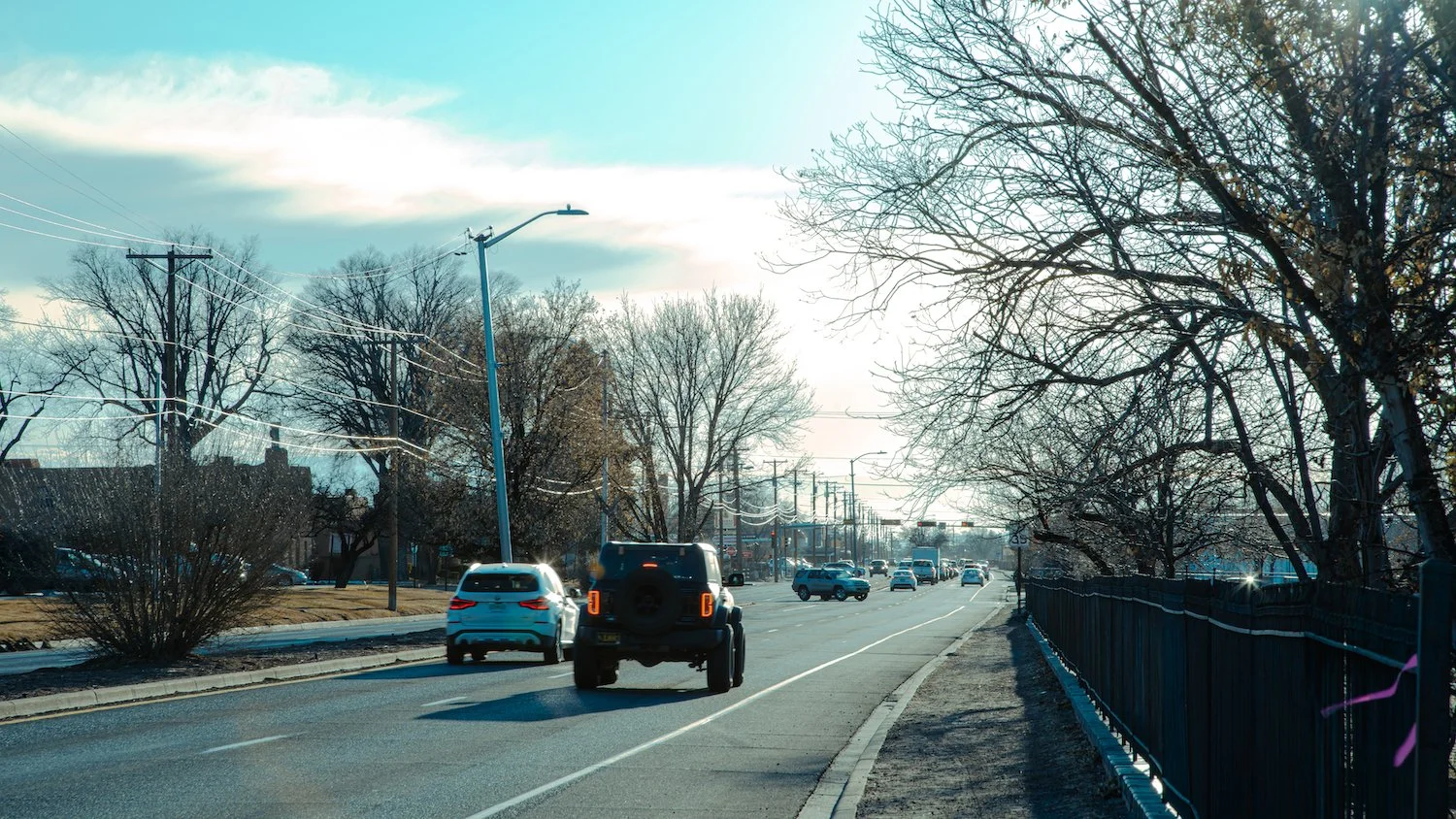
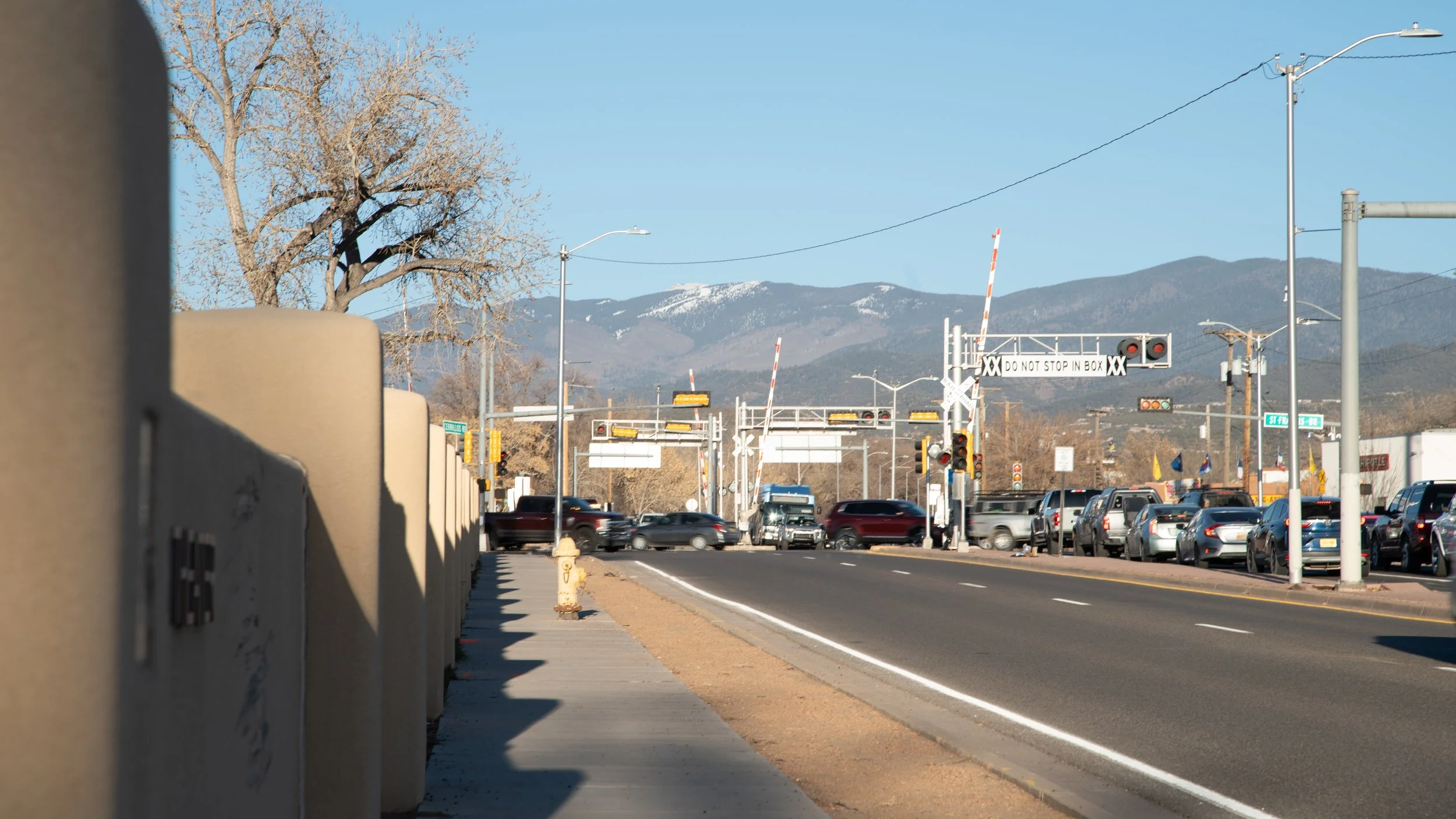
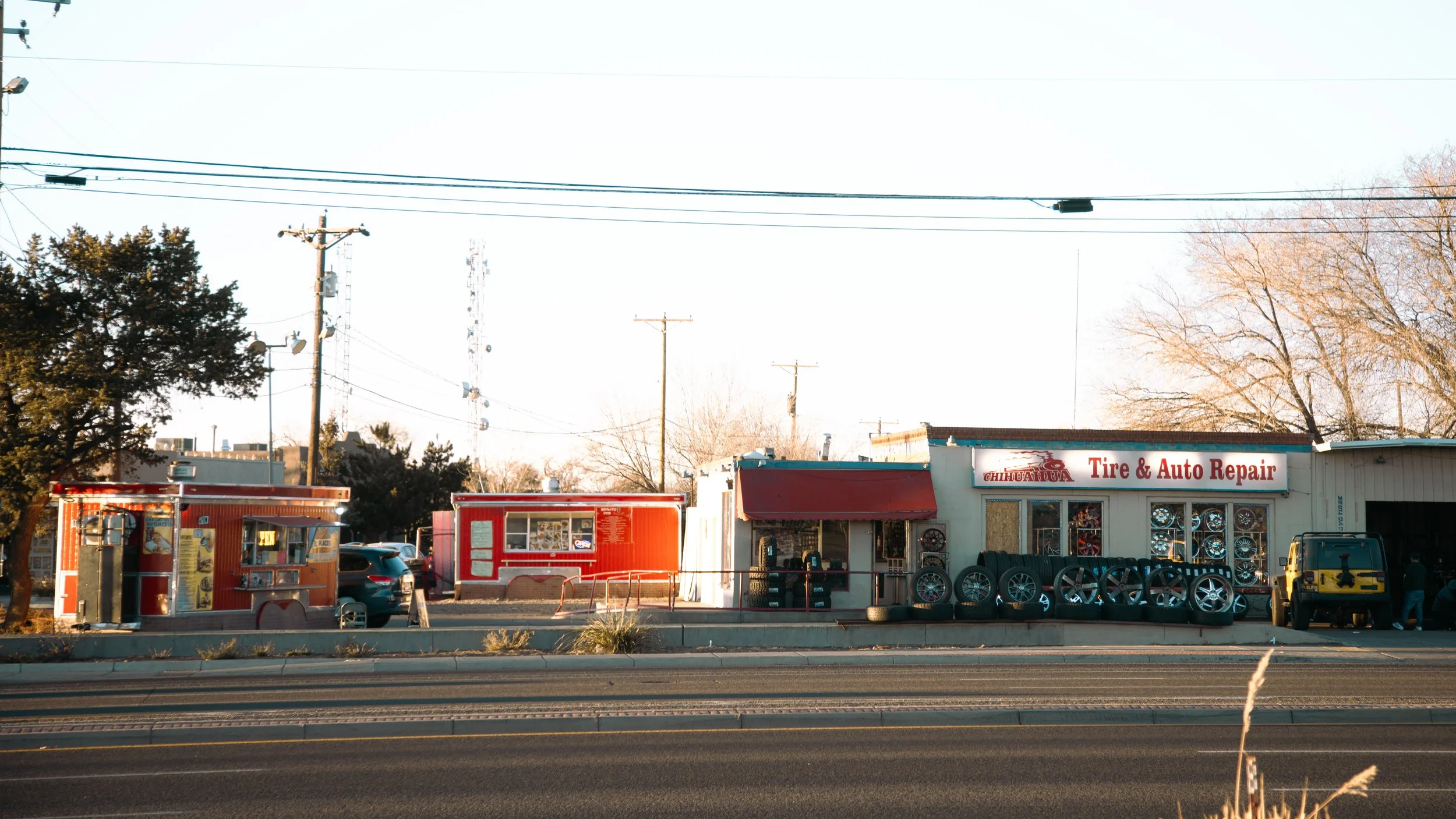
CONTEXTCerrillos Road is Santa Fe's primary commercial corridor -- an 11-mile stretch of Highway 14 connecting neighborhoods, jobs, schools, and services for tens of thousands of residents. 85% of survey respondents use it at least weekly. 49% use it every single day. And yet the road functions more like a highway than a street, serving its users poorly across every mode of transportation.
THE CHALLENGEPlanning processes for corridors like Cerrillos tend to over-represent car-owning, higher-income residents and under-represent the people most affected by infrastructure decisions -- transit-dependent, low-income, Spanish-speaking, and unhoused community members. A standard engagement process wasn't going to reach them.
SOLUTIONA multi-method community engagement process designed from the ground up to be genuinely inclusive: a public survey, in-depth resident interviews, a business owner roundtable, and targeted focused engagements with schools, shelters, and transit operators -- coordinated through partnerships with local organizations who already had trust with harder-to-reach populations.
IMPACT736 community members surveyed across all Santa Fe neighborhoods
12 in-depth interviews with residents, business owners, service providers, and unhoused community members
~295 people reached through in-person outreach
Focused sessions with Milagro Middle School, Salazar Elementary, Pete's Place, Safe Routes to Schools, Santa Fe Trails Operators, and S3 Housing
Findings incorporated into the 2025--2050 Santa Fe Metropolitan Transportation Plan, adopted by the Transportation Policy Board on August 28, 2025
STEP ONEThe challenge
The Santa Fe MPO needed to understand what residents actually wanted for Cerrillos Road -- not just the residents who attend public meetings or fill out online surveys, but the people who walk the corridor to work in the dark, who rely on the bus routes, who run businesses in strip malls, and who sleep outside near the shelters along the route.
Cerrillos serves an essential function. Nearly half of respondents use it daily. But its design serves almost no one well: it's engineered as a highway, experienced as a stroad, and described by residents as "an affront to God and humanity, but more so to urban planning."
A standard engagement process -- a public survey link and a community meeting -- wasn't going to capture the full picture. And the people with the most at stake were the least likely to show up for it.
49%
of survey respondents use Cerrillos Road every single day -- making it one of the most used and most underinvested corridors in the city.
STEP TWOEngagement methods
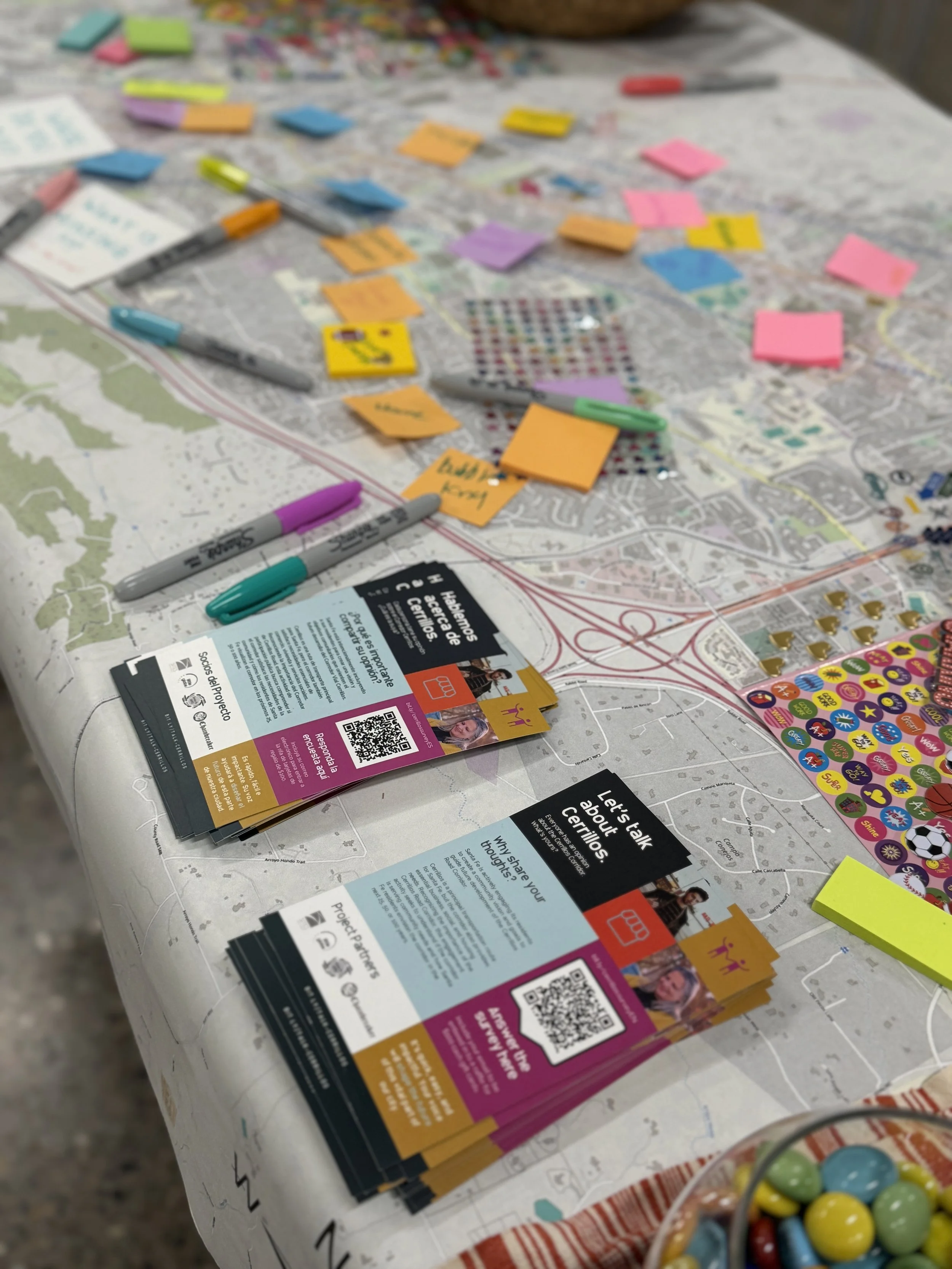
To hear from the full range of people who use and depend on Cerrillos Road, I designed a multi-method engagement strategy and coordinated with local partner organizations whose existing relationships made genuine outreach possible. Methods included:
Public survey Distributed both online and in-person, with social media ads, local news coverage, flyering at businesses and public spaces, and ads running inside Santa Fe Trails buses for one month. 736 respondents across age groups, neighborhoods, and demographics.
In-depth interviews 12 conversations with residents, transit riders, cyclists, business owners, service providers, and unhoused community members -- providing the qualitative depth and human context the survey couldn't fully capture.
Business owner roundtable A dedicated workshop with businesses located on the corridor, using dot-voting exercises to surface design priorities from the commercial perspective.
Focused engagements Targeted sessions with specific organizations to reach populations often excluded from planning processes:
Milagro Middle School and Salazar Elementary -- youth voices
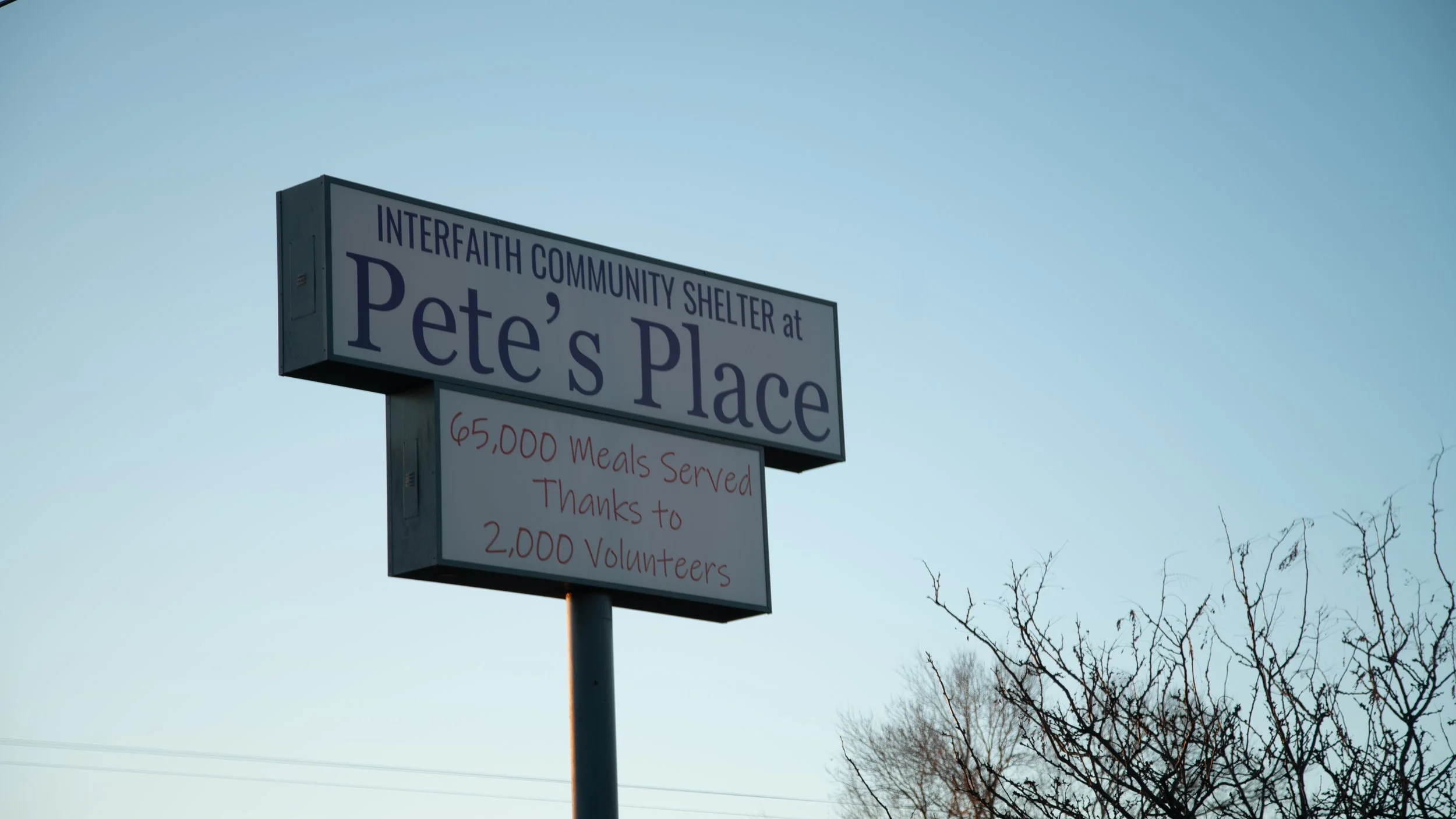
Pete's Place and S3 Housing -- unhoused and housing-insecure residents
Safe Routes to Schools -- families and caregivers
Santa Fe Trails Operators -- the people running the buses every day
Chainbreaker Collective partnership Chainbreaker rode the bus routes alongside riders, distributed surveys on board, and specifically prioritized outreach to transit-dependent, low-income, and immigrant communities who would otherwise be underrepresented in the data.
STEP THREEWhat we heard
Six themes emerged consistently across all survey responses and interviews -- ranked here by how often residents named them as a priority for change.
01 Pedestrian and cyclist safety · 231 mentions
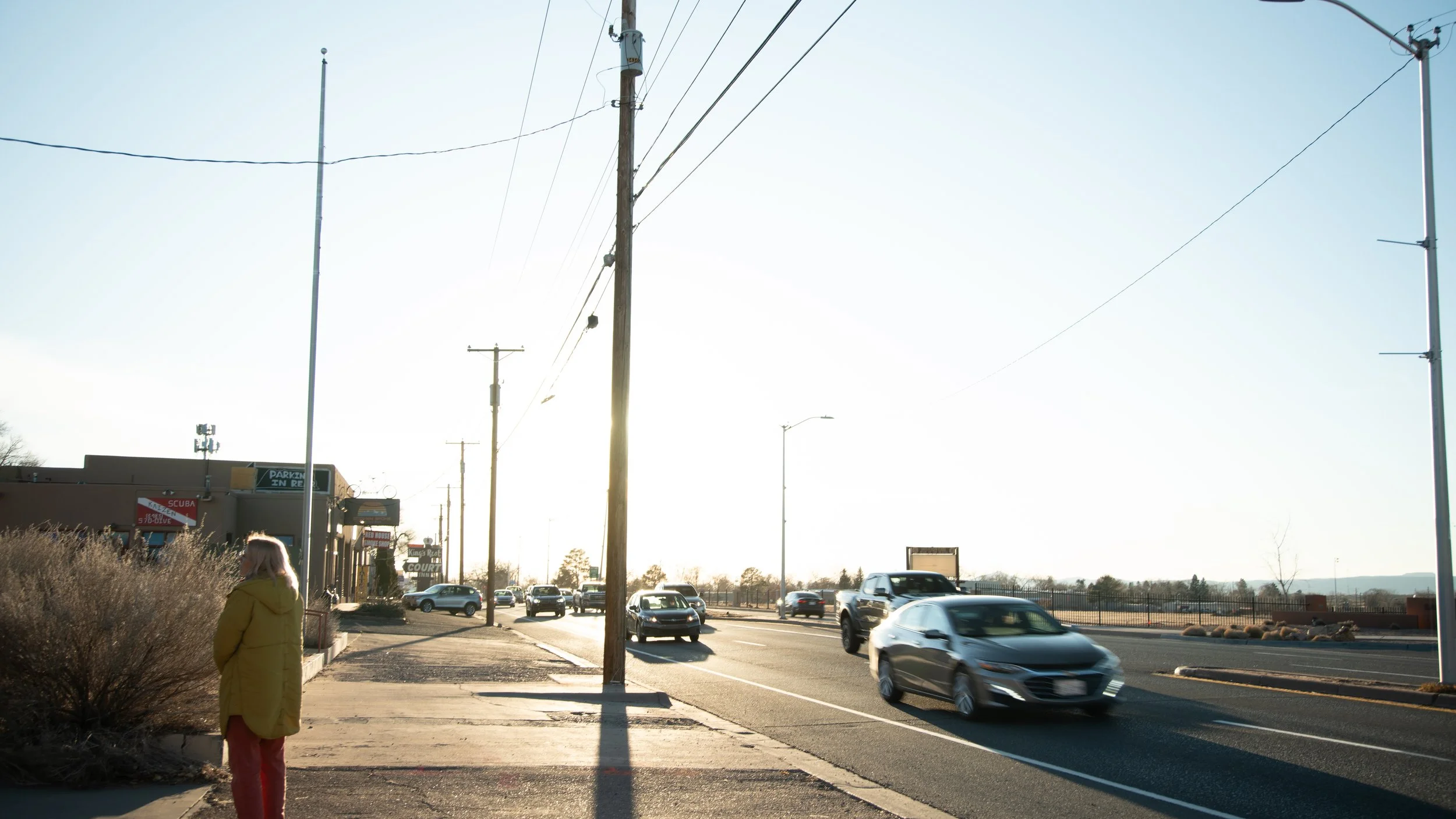
The top priority across all respondents. Cerrillos has bike lanes in name. They don't feel safe to use. Residents called for protected bike lanes, more crosswalks, pedestrian bridges, wider sidewalks, and ADA-accessible infrastructure.
02 Traffic flow and safety · 184 mentions
Poorly timed traffic lights, dangerous U-turns, and fast-moving vehicles create stress for everyone on the road. Residents want better signal synchronization, reduced speeds, and stricter enforcement.
03 Housing insecurity and public safety · 159 mentions Homelessness surfaced as a major concern -- but the data required careful handling. Many housed respondents conflated visibility of unhoused residents with personal danger. The unhoused residents we interviewed told a different story: many feel unsafe themselves, due to inadequate shelters, lack of resources, and societal stigma. Centering both realities without collapsing them was one of the more ethically demanding parts of the engagement.
04 Infrastructure and design · 148 mentions
Strong desire for mixed-use development, reduced parking minimums, buildings closer to the street, and a corridor that feels like Santa Fe -- not "Anywhere USA."
05 Public transportation · 103 mentions
Residents want more frequent bus service, dedicated bus lanes, better-maintained stops, and transit that actually reaches the underserved southern neighborhoods. Several suggested BRT or light rail.
06 Aesthetics and environment · 93 mentions
The corridor's visual character came up consistently: strip malls, empty parking lots, no shade, no trees, no public art. Residents didn't just want it to be safer -- they wanted it to feel worth being in.
A notable convergence
The business community's priorities aligned closely with residents'. At the corridor workshop, business owners voted unanimously in favor of improved pedestrian crossings and retail closer to sidewalks - the design changes most likely to benefit people on foot, not just in cars. Even those whose livelihoods depend on drive-by traffic recognized that a more walkable Cerrillos would be better for everyone.
STEP FOUROutcome
The engagement report was submitted to the Santa Fe MPO and its findings informed the 2025--2050 Santa Fe Metropolitan Transportation Plan, adopted by the Transportation Policy Board on August 28, 2025. This plan will guide transportation investment across Santa Fe and the surrounding region for the next 25 years.
736 residents had their voices formally enter the planning record -- including transit riders, business owners, students, unhoused community members, and families from the city's most underserved neighborhoods.